 Yorigam
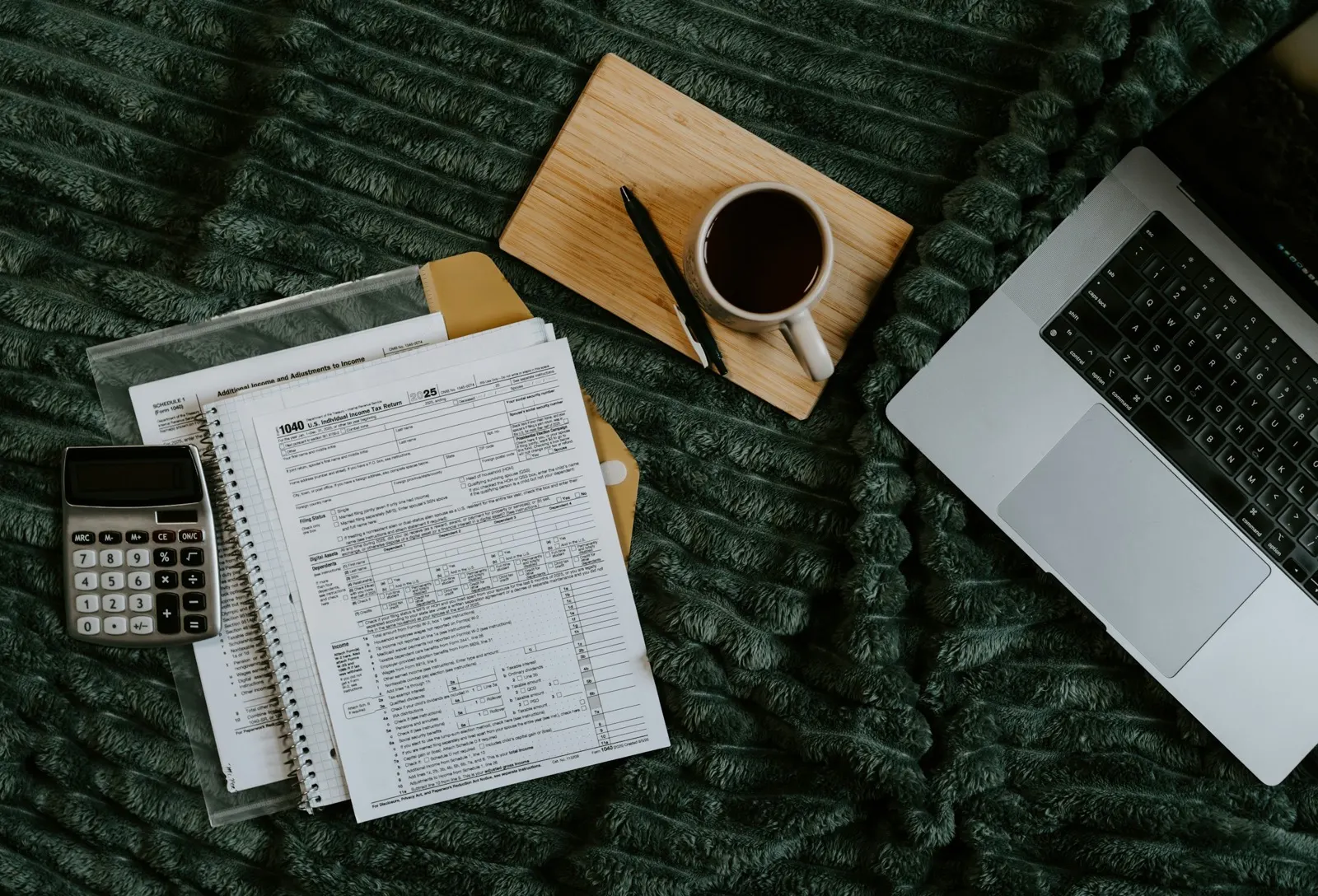
If you teach yoga as a sole trader, the way you report your income to HMRC is about to change. It's called Making Tax Digital for Income Tax, and for many teachers it starts on 6 April 2027.
Here's what it is, whether it applies to you, and how to get ready without turning into an accountant.
What is Making Tax Digital?
Until now, most self-employed teachers have filed one Self Assessment return a year, often in a rush before 31 January. Making Tax Digital (MTD) replaces that with two changes:
- You keep your records digitally, using software, rather than on paper
or in your head.
- You send HMRC a short update every quarter, plus a final declaration
after the tax year ends.
It doesn't change how much tax you pay. It changes how and when you report.
Does it apply to me?
It applies to sole traders and landlords registered for Self Assessment, once their qualifying income goes over a threshold:
| Qualifying income | In the tax year | MTD starts |
|---|---|---|
| Over £50,000 | 2024 to 2025 | 6 April 2026 |
| Over £30,000 | 2025 to 2026 | 6 April 2027 |
| Over £20,000 | 2026 to 2027 | 6 April 2028 |
Three things are easy to get wrong:
- It's your gross income, not your profit. Qualifying income is your
total self-employment and property income *before* expenses. If studios, privates, workshops and retreats bring in £32,000 and your costs are £6,000, you're over the £30,000 threshold.
- Your day job doesn't count. Employment (PAYE) income is left out. If
you teach alongside a salaried job and your teaching brings in £9,000, your qualifying income is £9,000, so you're not in yet.
- A limited company isn't affected. If you teach through your own company
and pay yourself a salary and dividends, MTD for Income Tax doesn't apply to that teaching income.
Rental income counts too, so a teacher who also lets a flat should add both together.
What you'll actually have to do
Keep digital records. For each payment in or out, the record needs the amount, the date and a category. If your teaching turnover is under £90,000, HMRC's simpler rule applies: you only need to mark each transaction as income or expense.
Send four quarterly updates. With the standard tax-year periods, the deadlines are:
- 7 August (for 6 April to 5 July)
- 7 November (to 5 October)
- 7 February (to 5 January)
- 7 May (to 5 April)
Each update covers the tax year so far, and your software works out the totals. You don't need to make tax adjustments along the way, and if you spot a mistake, you fix your records and it's picked up in the next update.
Then a final declaration by 31 January, as you do now.
For a teacher who comes in from April 2027, the first quarterly update is due by 7 August 2027.
What if I'm late?
In the first year, HMRC isn't giving penalty points for late quarterly updates (late tax returns still count). After that, each missed update earns a point, and four points mean a £200 penalty. It's the kind of thing that's easy to avoid once your records keep themselves up to date.
How to get ready, the calm way
- Check your number. Look at your 2025 to 2026 income from teaching (and
any property). Over £30,000 gross? You're in from April 2027.
- Start recording as you go, now. Every studio payment, private session
and workshop ticket logged when it happens, not reconstructed in January. Starting before you have to means the first quarter is just routine.
- Keep income by source. Studios, privates and events separate. It makes
your updates simple and shows you where your money really comes from.
- Choose software built for how you work. You'll need MTD-compatible
software to send the updates. Most of it is designed for accountants and small businesses with stock and staff, not for someone teaching across five studios.
Where Yorigam fits
Yorigam already records what teachers earn as it happens: studio invoices, private sessions and packages, workshop and retreat bookings, each in its own place and marked paid when the money arrives. We're building it to get those records ready for Making Tax Digital in the same few taps, so April 2027 is a non-event.
Yorigam is free for founding teachers during the beta. Join the beta
---
*This is a plain-English summary, not tax advice. Check HMRC's guidance or ask an accountant about your own situation.*